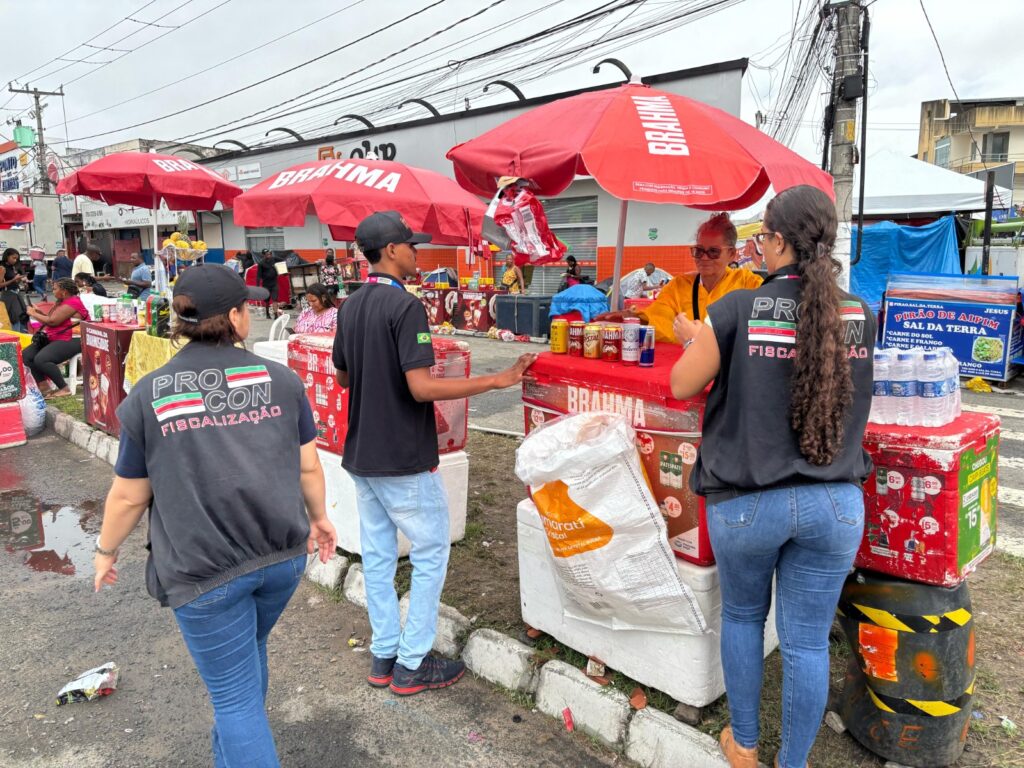
Micareta de Feira 2025

Blog

Your blog category

Blog

סמטאות הצבע והאור: סיור מרתק בלובי של בידור קזינו מקוון

הצעד הראשון דרך הדלת הדיגיטלית אני זוכר את התחושה הראשונה כשפתחתי לובי של קזינו מקוון — זה לא רק רשימה של שמות; זה חדר מלא לפידים דיגיטליים שמחכים להתגלות. המסכים מאורגנים בשורות וקטגוריות, והתצוגה הראשונה נותנת את ההבטחה לחוויה: תנועה עדינה של באנרים, שיקוף של נושאים, וצלילים עדינים שמזכירים פארק שעשועים וירטואלי. כשאני מטייל בין הכרטיסיות, העין נעצרת על מיינויים וסימונים קטנים שמבהירים מה חדש ומה פופולרי. באתרי סקירה והשווה שמלווים אותי מדי פעם, כמו BetON ישראל ניתן לראות דוגמאות לעיצובי לובי שמשלבים בין אסתטיקה לנוחות ניווט, וזה תמיד מעניין לשים לב איך רעיונות עולים ונופלים בעיצוב. חיפוש ומסננים: המסע לגילוי מהיר החיפוש בתוך הלובי מרגיש כמו דינמיקה של חיפוש זהב — אבל במקום כלי עבודה יש לנו שורת חיפוש חכמה וכרטיסיות מסוננות. מעבר להרגשה של סדר, זה המקום שבו ממש מתחיל סיפור ההתקשרות עם האפליקציה: לבחור קטגוריה, להסיר רעש, ולהתקרב לתצוגה שמדברת בשפת ההעדפות שלך. כאן עוצרים לרגע כדי להסתכל על כמה אלמנטים בולטים שמופיעים כמעט בכל לובי נדיב ומעודכן: כפתורי מיון ברורים שמאפשרים מעבר בין אופציות במהירות. סינים וקטגוריות ויזואליות שמדגישות פורמטים שונים. תצוגות הדגמה ותמונות שמגמישות את הבחירה לעין. החוויה של שמירת מסננים כפרופיל משתמש יוצרת תחושת מסע אישי: זה לא עוד גלריה, אלא ארון בגדים שמותאם לטעם שלכם. הניחוח של התאמה אישית נותן תחושה שמי שעיצב את הלובי חשב קודם כל על המשתמש שמגיע לחקור. המועדפים: תיק קטן של זכרונות דיגיטליים כשהמקום התחמם והצעדים נעשו בטוחים יותר, מצאתי את הכפתור שאומר “מועדפים”. זה הרגע שבו הלובי הופך לחדר הפרטי שלי: אוסף של חוויות שנשמרו, כרטיסים של רגעים שפשוט רציתי לשמר. המערכת מאפשרת לאסוף, להרכיב ולסדר — בלי הוראות, רק בחירה נקייה ונעימה. לפעמים אני יוצר קטגוריות קטנות תחת המועדפים: דברים שאני רוצה לבדוק מאוחר יותר, פריטים לעקוב אחריהם בסגנון, או סתם הופעות שעוררו חיוך. הרשימות האלה מרגישות כמו קופסה של מזכרות דיגיטליות, מלאות בזכרונות של מסכי צבעים וקולות. להלן כמה דרכים מקובלות לסדר מועדפים בלובי: סדר לפי נושא או אווירה. הוספת ותיקונים קלים לטקסטי תיאור לצורך זיהוי מהיר. יציאה מהסיור: מה נשאר בזיכרון כאשר משאירים את המסכים מאחור וחוזרים לרגע למציאות, מה שמושאר הוא תחושת טיול קצר בעיר של אפשרויות. הלובי, עם המסננים והאפשרות לשמור מועדפים, הוא לא רק קומפקט של שירות — הוא מדריך שקט שמוביל אותך לגלות מה מדבר אליך באמת, בלי להכריח שום הכוונה. בסיור קצר שהרגיש כמו ערב של גילויים, מצאתי שמדובר בחוויה של אינטראקציה: עצם המישוש של ממשק, ההחלפה בין מסננים, והיצירה של אוסף אישי — כל אלה בונים סיפור שממשיך גם כשאתה סוגר את הטאב. בסופו של דבר, הלובי הוא במה קטנה שמזמינה חקר, ושם כל צעד קל יכול להפוך לזיכרון קטן של התרגשות.

Blog

The Lobby Unpacked: A Mini-Review of Modern Online Casino Menus

What stands out at first glance Walking into an online casino lobby for the first time feels a lot like stepping into a themed arcade at night: colorful tiles, animated previews, and a steady stream of featured content. The visual language matters; bold artwork and short demo clips are often the elements that catch attention before anything else. In a mini-review mindset, these surface features are the hooks that suggest whether a platform cares about curation, clarity, or just volume. Beyond aesthetics, the layout of sections and the prominence of search also reveal priorities. Some lobbies prioritize new and trending titles, others highlight providers, and a few put jackpots or live tables front and center. For a quick look at how different sites arrange their lobbies and what trends are common, the aggregator https://fakestakeapps.com/ provides visual snapshots that illustrate the variety available today. Here are some common lobby features that tend to dominate first impressions: Featured carousel with promoted titles and seasonal banners Provider tabs or badges that let you see games by developer Live preview thumbnails and short animated loops for quick sampling Collections like “new,” “popular,” or branded series Filters and search: narrowing the noise When a catalog runs into the thousands, filters and search become the backbone of usability. The best implementations feel fast and forgiving: type a partial title and results appear, or tick a few boxes to refine by game type, volatility label, or theme. These are not instructions; they are features that change how quickly a visitor finds what they want to explore. Filter designs vary. Some are minimalist collapsible panels, others are prominent chips across the top of the page. Common filtering options include provider, category, features, and sorting by release date or popularity. A quick list of typical filters gives a sense of what to expect: Category filters (slots, table games, live dealer, specialty) Provider or studio filters to view developer catalogs Feature filters (bonus rounds, free spins, progressive elements) Sort options like newest, most played, or highest-rated visuals Search boxes sometimes double as discovery tools, offering suggestions, recent searches, and even quick links to promotional pages. Where search works well, it reduces friction and makes exploration feel deliberate rather than random. Favorites and personalization Favorites or “save for later” functions change the lobby from a storefront into a personal space. The ability to mark titles and create a curated list is a simple feature with outsize impact: it turns an anonymous catalog into a tailored collection. In a review of this type, personalization features are what separate a generic experience from one that feels made for repeat visits. Some platforms extend personalization by offering smart recommendations based on viewing history or marked favorites. These appear as “you might also like” rows or as a customized homepage carousel. The quality of recommendations varies, but when the system aligns with your visible preferences, browsing becomes more efficient and more enjoyable. What to expect when you browse Expect a mixture of spectacle and utility: bold visuals and handy tools working together. A well-designed lobby balances large promotional spaces with compact lists and reliable filters so that casual browsing and focused searching both have good outcomes. Mini-reviews often highlight how these elements coexist rather than which single feature is best. Another common pattern is seasonal refreshes—limited-time collections and themed banners that change the lobby’s mood without altering the underlying structure. These refreshes can be fun and offer variety, but the core navigation tends to remain consistent, so frequent users can develop quick habits for finding favorites and discovering new entries. Finally, expect incremental improvements across platforms. Developers iterate on thumbnails, snippet information (provider, RTP, volatility), and loading speed. Small touches—like preview sound controls, concise tooltips, and sticky filter bars—can make a big difference in daily use and are worth noting when forming an overall impression.

Blog

When Every Spin Feels Like a Small Discovery

The thrill of game discovery Online casino entertainment these days is less about a single marquee title and more about the joy of digging through a living catalog. Whether you’re in the mood for bright, fast-paced slot themes or a slow, immersive live-dealer session, the fun often begins with browsing — finding a game that clicks with your mood, aesthetic, or curiosity at that moment. Catalogs are curated in many creative ways: themed collections, new-release shelves, and editor picks that highlight unusual mechanics or striking visuals. For a bird’s-eye view of modern catalogs, check references such as cloud9 casino to see how different titles are grouped and presented without diving into playing advice or mechanics. How games are organized — a quick tour The way platforms present games matters as much as the games themselves. Good organization helps you move from casual exploration to focused discovery without feeling overwhelmed. Here are common organizational features you’ll see and what they tend to communicate about the experience: Categories and tags: Genre labels (e.g., slots, live games, jackpots) plus tags for themes or features that help narrow the vibe you’re after. Filters and sorting: Options to sort by popularity, release date, or provider so you can surface recent drops or perennial favorites. Curated collections: Playlists or editorial lists that group titles by theme, developer, or special mechanics — handy for inspiration. Preview tools: Short demos, videos, and visual icons giving a sense of tempo and aesthetics before you commit time to a full session. Recommendation engines: Personalized rostering based on past browsing that suggests titles you might otherwise miss. These elements together make the catalog feel navigable rather than chaotic, and they’re an important part of how players discover new favorites without needing a deep dive into rules or strategy guides. Pros and cons of abundant variety Variety is a double-edged sword. On one hand, an expansive selection means there’s always something new to stumble upon — an artistic slot with a strong soundtrack, a fast-paced arcade-style title, or a live table with an engaging host. On the other hand, too much choice can be paralyzing, and not every addition carries the same production value or design care. Pros: Greater chances of finding a niche experience, ongoing innovation from developers, and the pleasure of exploring fresh aesthetics and mechanics. Cons: Discovery fatigue from endless menus, inconsistent quality across a huge catalog, and the occasional redundancy where many titles feel very similar. Balancing these pros and cons is largely about how platforms present their libraries: thoughtful curation and clear visual cues tend to tilt the experience toward delight, while cluttered interfaces push it toward overwhelm. Making variety feel personal What separates casual scrolling from a memorable discovery is personalization. Modern platforms use simple signals — recent views, liked themes, or follow lists for favorite providers — to surface games that align with a player’s aesthetic or pacing preferences. This doesn’t require technical know-how from the user; it’s about feeling seen by the interface. Other experience-first touches help too: short trailers that show a game’s atmosphere, filter presets like “cinematic” or “retro arcade,” and editorial blurbs that explain why a title stands out creatively. Together, these elements turn a vast library into a series of small, approachable worlds to explore. Closing notes: how to approach discovery Approach online casino catalogs the same way you might approach a streaming service’s new releases: with curiosity and an eye for presentation. Appreciate the design, the diversity of themes, and the occasional delightful surprise from a developer trying something different. The best part of modern online casino entertainment is not just winning or losing — it’s finding a title that resonates and makes an evening feel distinctive.

Blog

Behind the Glass: An Evening Tour of an Online Casino Lobby

The Doorway: First Impressions of the Lobby Walking into a well-designed online casino lobby feels a bit like stepping into a familiar bar where the lights, layout and music set the mood before you even order. Tiles of games march across the screen with animated thumbnails, curated carousels highlight new releases, and a banner quietly announces seasonal events. The visual rhythm—how thumbnails pulse, how categories slide into view—creates an immediate sense of place, guiding attention without shouting. Some lobbies prefer a minimalist approach, others pack every promotional pixel into the top fold; for a quick visual comparison of modern lobby layouts, a look at cloud9-casino-au.com shows how visual hierarchy and spacing are used to direct a guest’s attention. What stays with you from that first moment is not the number of options but the clarity of the map: where to go next, what feels new, and what feels like home. Filters and Search: A Guided Scavenger Hunt At the heart of the experience is the search bar and its companion filters—a precise toolkit for cutting through abundance. Rather than being a dry utility, search can act like a friendly concierge: suggestive autofill, instant thumbnails, and search-as-you-type feedback all make the act of discovery feel playful. Filters sit nearby like labeled drawers, each one a promise that the lobby will adapt to what you want to see. Provider and Studio: A quick way to find a familiar aesthetic or a favored developer’s latest work. Category and Theme: Slots, tables, live dealers—plus themes like adventure, fantasy, or retro. Features and Formats: Demo mode availability, jackpot types, or mobile-optimized titles. Using those filters is less about narrowing choice and more about curating the moment. The best lobbies respond instantly, reshuffling tiles and exposing unexpected pairings: a classic table game nestled next to a cutting-edge video slot, or a trending title tucked into a tucked-away bonus category. Favorites and Playlists: Making the Space Your Own Favorites are the lobby’s equivalent of a well-worn stool at the bar. A single click or heart icon pins games into a personal shelf, and over time that shelf tells a story: late-night comfort games, weekend experiments, or a collection of titles saved for company. Playlists take that intimacy one step further, letting you string together games into a sequence that mirrors a cinematic evening. Comfort Collection: Familiar titles for a relaxed session. Discovery Queue: A rotating set of new or suggested games to try when curiosity strikes. Party Playlist: A mixed bag chosen for sharing or spectating with friends. Those personal touches change the lobby from a storefront into a living room. Instead of being overwhelmed by options, you return to a space subtly tailored to you. The “favorites” label becomes shorthand for mood, memory, and preference, and the playlist feature quietly orchestrates how an evening unfolds. A Night in the Lobby: Putting It All Together Imagine opening the lobby on a Friday evening: the carousel teases new releases, your favorites sit ready at the top, and a saved playlist prompts a gentle invitation to linger. You toggle a couple of filters, glance at the search suggestions, and let the interface do the heavy lifting of arranging an evening that feels both spontaneous and familiar. The lobby’s job is to make that sequence feel effortless, from arrival to settling in. Good design treats every interaction as part of a narrative. Thumbnails change color as favorites accrue, filters remember last used settings, and search remembers fragments of previous queries. These are small gestures, but together they create coherence: a lobby that learns with you, that curates not just a list of options but the arc of a night. On the whole, the most memorable lobbies are those that blend personality with predictability—spaces that welcome you, help you find what you want without preaching, and quietly amplify the pleasure of discovery. The finer details—the way the search anticipates a misspelled title, the warmth of a saved playlist, the neatness of a filtered shelf—are the things that turn a simple visit into a recurring ritual.

Blog

Spelen onderweg: de mobiele beleving van online casino-entertainment

Snelle navigatie en touchscreen-gericht ontwerp Op een klein scherm draait alles om intuïtieve navigatie: grote knoppen, heldere iconen en minimale taps om bij je favoriete spellen te komen. Ontwikkelaars die serieus zijn over mobiel denken in lagen; menu’s die uitschuiven, swipe-bewegingen om categorieën te wisselen en contextgevoelige knoppen die alleen verschijnen wanneer je ze nodig hebt verbeteren de flow aanzienlijk. Sommige platforms, zoals casinobofapp.com, tonen hoe compacte lay-outs en slimme prioritering van content ruimte geven aan zowel visuals als snelheid zonder dat het scherm vol raakt. Leesbaarheid en content op kleine schermen Een goede mobiele ervaring is niet alleen een verkleinde desktopversie; het is typografie, kleurcontrasten en zichtbare feedback die samen zorgen dat informatie snel te scannen is. Partijen die hierop focussen voegen vaak korte beschrijvingen toe bij spellen, duidelijke labels bij promoties en progressive disclosure: details verschijnen pas als je ze nodig hebt, zodat je niet eindeloos hoeft te scrollen. Dat zorgt ervoor dat je onderweg in één oogopslag ziet wat er nieuw is, welke toernooien lopen of welke live-rooms animeren, zonder dat je die kleine lettertjes hoeft te ontcijferen. Laadtijd en technische soepelheid Op een mobiele verbinding telt elke seconde; soepel renderen van graphics en korte responstijden bij aanrakingen maken het verschil tussen vloeiend plezier en frustratie. Moderne apps en responsieve sites gebruiken technieken als lazy loading, adaptieve beeldformaten en minimalistische animaties zodat visuals mooi blijven maar niet vertragen. Daarnaast is het vaak de subtiele haptische feedback en micro-animaties die een gevoel van kwaliteit geven: een lichte trilling bij een succesvolle actie of een klein knipperend element bij nieuwe berichten verhoogt de ervaring zonder opdringerig te worden. Live-ervaring en sociale interactie Voor wie zoekt naar dynamiek is de mobiele live-sectie vaak het meest indrukwekkend: compacte videostreams, real-time chat en overzichtelijke seat-selecties laten de actie dichtbij voelen, ook op een klein scherm. Sociale functies zoals chat, emoji-reacties en snel schakelen tussen tafels geven een community-gevoel; je bent niet alleen aan het scrollen, maar deelachtig aan een levende ruimte die reageert op wat er gebeurt. Mobiel vertaalt die sociale laag naar korte, toegankelijke interacties: geen uitgebreide typing, maar vooraf ingestelde reacties en fluisterfuncties die makkelijk met één hand te bedienen zijn. Korte laadtijden en responsieve bediening Heldere, touchvriendelijke interface-elementen Compacte maar informatieve spelbeschrijvingen Feature spotlight: personalisatie en slimme meldingen Personalisatie op mobiel draait om relevantie: pushmeldingen die passen bij je voorkeuren, een startscherm met snelkoppelingen naar je meest gespeelde spellen en aanbevelingen die echt matchen met je speelstijl. Een goede mobiele ervaring geeft je controle over die meldingen; je bepaalt wat je binnenkrijgt en wanneer, zodat je app nuttig is zonder opdringerig te worden. Daarnaast zijn er slimme aanpassingen zoals donkere modus voor nachtelijk gebruik, en instelbare beeldkwaliteit die automatisch wisselt tussen dataverbruik en grafische pracht, afhankelijk van je verbinding. Wat meteen opvalt als je mobiel speelt, is de balans tussen visuele aantrekkingskracht en gebruiksgemak; developers kiezen vaak voor gestileerde elementen die snel laden en toch sfeer creëren. Wat maakt een mobiele ervaring memorabel? Het zijn geen grote features op zich, maar de coherentie: consistente animaties, logische flows en een gevoel dat alles ontworpen is voor vingers in plaats van muizen. Een korte lijst van wat gebruikers vaak omschrijven als memorabel: Directheid: minimale stappen naar de content die je zoekt Zichtbaarheid: informatie die meteen begrijpelijk is Respons: interface reageert vloeiend en voorspelbaar Uiteindelijk draait het om beleving. Of je even tussendoor een tafel checkt of langere sessies hebt, een mobile-first ontwerp zorgt dat de entertainmentwaarde van online casino’s intact blijft, zonder dat je constant moet pijnigen over menus of laadbalken. Die kleine ontwerpkeuzes — van de manier waarop knoppen teruggeven tot hoe content wordt georganiseerd — bepalen of een mobiele sessie je bijblijft als plezierig, soepel en modern.

Blog

Polskie Kasyno: Porównanie limitów wypłat i okresów oczekiwania między platformami

Limity wypłat, okresy oczekiwania (pending) i procedury weryfikacyjne (KYC) wpływają bezpośrednio na to, kiedy i ile możesz wypłacić z konta. W tekście omówię konkretne mechaniki, takie jak limit jednorazowy, limit miesięczny, statusy wypłaty i dokumenty używane w weryfikacji. Dowiesz się, które metody płatności (Skrill, przelew bankowy, portfel kryptowalutowy) skracają czas realizacji oraz jakie elementy interfejsu platformy warto sprawdzać. Na koniec pokażę praktyczne scenariusze krok po kroku dla typowych problemów z wypłatą. Które limity wypłat mają realne znaczenie dla gracza? Mechaniką, która najczęściej blokuje większe wygrane, jest limit jednorazowy (maksymalna kwota na transakcję) — np. 2 000 PLN na wypłatę kartą. Kolejna ważna funkcja to limit dzienny/miesięczny (cashout cap), który może ograniczać łączną kwotę wypłaconą w ciągu 24 godzin lub 30 dni. Na platformach często znajdziesz też limit minimalny wypłaty (min. 50 PLN) oraz limit wolnych od opłat transakcyjnych; np. e-portfele zwykle mają brak opłat do 5 000 PLN miesięcznie. Konto VIP może mieć inną regułę: mechanizm VIP limit override pozwala na wyższe jednorazowe wypłaty. Jak rozróżnić statusy wypłaty: pending, processing, completed? Statusy w panelu transakcji to konkretne mechaniki: “Pending” oznacza, że wypłata jest w kolejce do przetworzenia, “Processing” — że dział płatności rozpoczął walidację, a “Completed” — że środki trafiły na konto. Mechanika “manual review” oznacza ręczną kontrolę dokumentów, co wydłuża pending do 24–72 godzin. Systemy bankowe używają też statusu “Cleared” dla przelewów SEPA, a e‑wallety raportują “Instant” lub “Settled” — te etykiety widzisz w historii transakcji w panelu użytkownika. Jakie dokumenty KYC najczęściej zatrzymują wypłatę i jak je przesłać? Standardowym mechanizmem identyfikacji jest KYC (know your customer): dowód tożsamości (paszport, dowód osobisty), proof of address (rachunek za media) i dokument potwierdzający źródło środków (SOF) — np. wyciąg bankowy. Platforma może wymagać także selfie z dokumentem lub video KYC. W praktyce proces “ID upload” w profilu użytkownika lub funkcja “Attach documents” w tickecie przyspiesza odbiór. Przykład: na mechanizm uploadu ID w sekcji Weryfikacja wymaga skanów dowodu i selfie; bez tych dokumentów status wypłaty może pozostać na “manual review”. Które metody płatności dają najszybsze wypłaty i jakie mają ograniczenia? Mechanika płatności różni się bardzo: e‑portfele takie jak Skrill i Neteller często oferują “instant payout” do 0–2 godzin i mają niski limit minimalny, ale mogą narzucać maksymalny limit jednorazowy (np. 10 000 PLN). Przelewy bankowe (przelew SEPA/Przelewy24) używają mechanizmu “bank transfer” z czasem 1–5 dni roboczych i zwykle wyższym limitem jednorazowym. Kryptowaluty (BTC, ETH) działają przez mechanikę “on‑chain withdrawal” — tu transakcje bywają niemal natychmiastowe, ale platforma może wymagać “wallet whitelisting” (dodanie adresu do białej listy) przed pierwszą wypłatą. Paysafecard i karty przedpłacone rzadko umożliwiają wypłatę — to mechanika refund, a nie cashout. A concrete platform example involving Polskie Kasyno shows how a named iGaming feature can be integrated into a practical user scenario. Co sprawdzać w panelu i jakie narzędzia CRM ułatwiają śledzenie wypłat? Interfejs zawiera konkretne elementy: “Historia transakcji”, “Status wypłaty”, “Powód odmowy” i widget “Live chat”. System CRM może wysyłać automatyczne powiadomienia e‑mail/SMS o zmianie statusu — mechanika “transaction webhook” integruje powiadomienia z zewnętrznym portfelem. Sprawdź też sekcję “Limits & Verification” w profilu, gdzie zobaczysz aktywne limity jednorazowe i miesięczne. Lista kontrolna, co sprawdzić natychmiast, wygląda tak: Sprawdź status w “Historia transakcji” (Pending/Processing/Completed) Zweryfikuj pole “Wymagane dokumenty” w sekcji KYC Skontroluj metodę płatności (Skrill, SEPA, Crypto) i jej opłaty Otwórz “Ticket” lub “Live chat” jeśli widzisz “manual review” Praktyczne scenariusze: szybkie naprawy, porównanie platform i co robić przy odmowie Mechanika zgłoszenia problemu to ticket system i live chat; przy odrzuceniu wypłaty platforma powinna podać “rejection reason” (powód odmowy). Typowe działania: 1) przesłanie brakującego dokumentu przez “ID upload”, 2) potwierdzenie źródła środków (SOF upload), 3) żądanie reimbursement lub wyjaśnienia przez “support ticket”. Poniższa tabela pokazuje przykładowe reguły na trzech typowych platformach, z konkretnymi limitami i czasami przetwarzania. Platforma Metoda płatności Maks. wypłata jednorazowa Typowy czas pending Wymagana weryfikacja Platforma A Skrill 10 000 PLN 0–2 godz. ID przy pierwszej wypłacie Platforma B Przelew bankowy (SEPA) 50 000 PLN 24–72 godz. ID + SOF powyżej 10 000 PLN Platforma C BTC/ETH (on‑chain) 100 000 PLN (ekwiw.) do 1 godz. po whitelisting Wallet whitelisting + ID Gdy wypłata jest zablokowana, mechanika powinna się sprowadzić do trzech kroków: sprawdź “Powód odmowy” w ticket system, zrób “ID upload” lub “SOF upload”, a jeśli problem nie znika — otwórz dispute i poproś o eskalację do działu płatności. Używanie metod takich jak Skrill lub kryptowaluty minimalizuje opóźnienia związane z “manual review”, ale zawsze trzeba pamiętać o limitach i obowiązkach KYC.

Blog

Polskie Kasyno: Jak depozyty, wypłaty i limity kształtują doświadczenie gracza

W praktyce szybkie i przewidywalne płatności decydują o tym, czy gra jest przyjemna czy frustrująca; mechaniką, która to determinuje, są depozyty natychmiastowe i czasy przetwarzania wypłat. Ten tekst wyjaśnia, jak konkretne funkcje platformy — na przykład e-portfele, weryfikacja KYC, limity dzienne i opłaty transakcyjne — wpływają na dostęp do bonusów, wybór gier i planowanie wypłat. Dowiesz się, jakie korzyści daje szybki depozyt, dlaczego przejrzyste limity to praktyczna wygoda, i jak sprawdzać status transakcji. Każdy akapit podaje nazwany benefit i konkretny przykład zastosowania. Jak szybkość depozytu wpływa na Twoją sesję gry? Benefit: natychmiastowy dostęp do gier — gdy platforma obsługuje depozyty kartą lub e-portfelem bez oczekiwania, gracz może od razu wykorzystać bonus depozytowy i rozpocząć sesję na slotach czy stolikach na żywo. Praktyczny przykład: jeśli dostępna jest opcja “Instant Deposit” dla kart Visa/Mastercard i portfeli typu Skrill, wpłata pojawia się w saldzie w sekundach, co pozwala wziąć udział w promocji z godzinowym kodem (time-limited bonus). To ma znaczenie w grach na żywo, gdzie opóźnienie 10–30 minut może oznaczać utratę okazji do promocji. Co daje brak lub niskie opłaty przy płatnościach? Benefit: oszczędność na każdym ruchu — brak prowizji za depozyt i niska prowizja przy wypłacie zwiększają realną wartość wygranej i ułatwiają zarządzanie bankrollem. Praktycznie oznacza to, że wybierając metodę płatności bez opłat (np. niektóre e-portfele) gracz traci mniej procentowo przy każdej transakcji, a warunki obrotu bonusu często liczą depozyt netto. W tabeli niżej pokazuję typowe czasy i opłaty dla konkretnych metod, co pomaga porównać rzeczywisty koszt gry. Metoda płatności Czas depozytu Czas wypłaty Typowe opłaty Min/Max wypłata Karta Visa/Mastercard natychmiast 2–5 dni roboczych 0–2% (rzadko) 50 PLN / 30 000 PLN Skrill / Neteller natychmiast 12–24 godziny 0–1% (często brak) 20 PLN / 10 000 PLN Przelew bankowy (SEPA) 1–2 dni 2–5 dni możliwa opłata banku 100 PLN / 50 000 PLN Portfele typu Pay by App natychmiast do 24 godzin zazwyczaj brak 30 PLN / 20 000 PLN Jak KYC (weryfikacja tożsamości) przyspiesza lub opóźnia wypłatę? Benefit: pewność szybszych wypłat po akceptacji dokumentów — ukończone KYC (przesłanie dowodu tożsamości i rachunku) eliminuje konieczność ponownego zatrzymania wypłat przy kolejnych żądaniach, co w praktyce oznacza krótszy czas realizacji i mniejsze ryzyko zamrożenia środków. Przykład: konto z zatwierdzonym KYC zwykle ma wypłaty realizowane w trybie “priority” (12–24 h dla e-portfeli), podczas gdy konto bez weryfikacji trafia do standardowej kolejki 2–5 dni. Benefit ten jest bezpośrednio powiązany z funkcją „Dokumenty” w panelu gracza, gdzie status weryfikacji jest wyświetlany. Które limity wypłat naprawdę mają znaczenie dla strategii? Benefit: przewidywalność płynności — znając limity dzienne/miesięczne i minimalne kwoty wypłat, gracz może zaplanować cashout tak, by uniknąć blokad lub częściowych wypłat. Praktyczne zastosowanie: jeśli kasyno nakłada limit 10 000 PLN miesięcznie, a gracz wygra 30 000 PLN, musi rozłożyć wypłaty na kilka transz lub wybrać metodę z wyższym limitem (np. przelew bankowy). Komunikat „Limit wypłat: 10 000 PLN / miesiąc” w T&Cs to sygnał, że warto wybierać platformę z elastycznymi limitami dla high-rollerów. A concrete platform example involving Polskie Kasyno shows how a named iGaming feature can be integrated into a practical user scenario. Jak opłaty i limity wpływają na warunki bonusów i warunki obrotu? Benefit: realna wartość bonusu — wiedza o tym, jak opłaty i minimalne depozyty wpływają na warunki obrotu (wagering) pozwala zdecydować, czy bonus jest wart aktywacji. Praktyczny przykład: bonus 100% do 500 PLN z obrotem 30x liczy zazwyczaj depozyt brutto; jeśli depozyt podlega 2% opłacie, realna kwota dostępna do obrotu maleje i zwiększa koszt spełnienia warunków. W panelu promocji sprawdź pola „Wymaganie obrotu” i „Wykluczone gry” — te parametry pokazują, jak opłaty zmieniają użyteczność bonusu. Jak monitorować status transakcji i co daje powiadomienie w czasie rzeczywistym? Benefit: kontrola nad transakcją — system powiadomień (SMS, e-mail, push) informuje o zmianie statusu wypłaty lub konieczności dostarczenia dokumentu, co pomaga uniknąć opóźnień. Praktyczne narzędzie: w sekcji „Historia transakcji” platformy znajdziesz kolumny Status, Czas przetworzenia i Numer referencyjny. Ustawienie powiadomień push na aplikacji mobilnej oznacza, że dowiesz się natychmiast, gdy wypłata została zatwierdzona albo gdy operator wymaga dodatkowego dokumentu; to zmniejsza czas „on hold” i zwiększa komfort korzystania z platformy. Gdzie znaleźć wiarygodne porównania i jak wykorzystać je w praktyce? Benefit: lepszy wybór platformy — korzystając z porównywarek i recenzji, można szybko znaleźć kasyno z pożądanym połączeniem niskich opłat, szybkich wypłat i przejrzystych limitów. Przykład praktyczny: testując kilka operatorów jednocześnie, warto porównać metody płatności, czasy weryfikacji i politykę bonusową; przy opisie „” w recenzji często znajdziesz notę o szybkości wypłat i oferowanych metodach płatności, co pomaga w wyborze platformy odpowiadającej twoim priorytetom.

Blog

Jak działają bonusy powitalne, free spiny, cashback i warunki obrotu w Polskie Kasyno

Bonusy powitalne, darmowe spiny, cashback i zasady obrotu decydują o tym, ile realnie możesz wypłacić z kasyna. W praktycznym przewodniku wyjaśnię, co zobaczysz przy wpłacie, jak liczy się obrót (wagering), oraz jak działają reguły maksymalnego zakładu. Przykłady zawierają konkretne liczby, gry i kroki, które wykonasz w panelu konta. Co dokładnie oznacza bonus powitalny przy pierwszej wpłacie? Scenariusz: wpłacasz 100 PLN i dostajesz 100% bonus do 200 PLN oraz 50 free spinów — kasyno dodaje 100 PLN bonusu, więc saldo bonusowe wynosi 100 PLN, a saldo realne 100 PLN. W praktyce musisz sprawdzić, czy wymóg obrotu (np. 30x) dotyczy tylko bonusu czy sumy wpłaty+bonusu; jeśli 30x dotyczy bonusu, to musisz obrócić 100 PLN × 30 = 3 000 PLN zanim bonus stanie się wypłacalny. Na stronie z historią transakcji znajdziesz liczniki „Bonus remaining” i „Wager remaining”, które pokazują postęp w czasie gry. Jak działają free spiny i kiedy kasyno wypłaca wygrane ze spinów? Scenariusz: otrzymujesz 50 free spinów na konkretną grę (np. NetEnt — Starburst) z warunkiem 40x. Po użyciu spinów masz np. 20 PLN wygranych — jeśli wymóg 40x dotyczy tylko wygranych ze spinów, musisz obrócić 20 PLN × 40 = 800 PLN zgodnie z aktualnymi wagami gier. Uwaga: często free spiny dawane są w transzach (np. 10 spinów przez 5 dni), co oznacza, że zegar obrotu liczy się od wydania ostatniej transzy; sprawdź datę wygaśnięcia spinów w zakładce „Promocje” lub w historii bonusów. Cashback — kiedy dostaniesz zwrot i czy musisz go obrócić? Scenariusz: kasyno oferuje tygodniowy cashback 10% do 200 PLN na stratę netto w czasie weekendu. Jeśli w okresie promocji straciłeś 500 PLN, otrzymasz 50 PLN cashbacku. Zwróć uwagę na warunki: cashback może być „bez obrotu” (możesz od razu wypłacić) lub z niskim obrotem (np. 1x), co oznacza, że musisz postawić 50 PLN × 1 = 50 PLN, by wypłacić. W panelu promocji zobaczysz typ cashbacku i datę rozliczenia; jeśli cashback jest naliczany automatycznie, pojawi się jako transakcja „Cashback credited”. Jak policzyć wymogi obrotu — przykładowe obliczenia i tabela wag gier Scenariusz: otrzymujesz bonus 150 PLN z wymogiem 20x na bonusie, a grasz kombinacją slotów i stołów. Obliczenia: 150 PLN × 20 = 3 000 PLN obrotu. Jednak kasyno często stosuje wagę gier: sloty liczą 100%, automaty do video poker 50%, blackjack 5%, a live casino 0%. Poniżej tabela obrazująca typową konfigurację wag, którą znajdziesz w regulaminie promocji. A concrete platform example involving Polskie Kasyno shows how a named iGaming feature can be integrated into a practical user scenario. Typ gry Waga do obrotu Przykład obrotu (przy zakładzie 10 PLN) Sloty (np. Starburst) 100% 10 PLN liczone jako 10 PLN do obrotu Video poker 50% 10 PLN liczone jako 5 PLN do obrotu Blackjack 5% 10 PLN liczone jako 0,50 PLN do obrotu Live casino (ruletka, baccarat) 0% 10 PLN nie liczy się do obrotu Reguły maksymalnego zakładu — przykład co się stanie przy złamaniu limitu Scenariusz: aktywujesz bonus z regułą max bet 5 PLN podczas trwania wymogu obrotu, a następnie stawiasz 50 PLN na pojedynczy spin. W praktyce kasyno wykryje naruszenie w historycznym zapisie rundy; skutki mogą być: unieważnienie wszystkich wygranych z bonusu i cofnięcie promocji. Dlatego przed kliknięciem „Play” sprawdź pole „Max bet while wagering” w regulaminie promocji i użytkowym panelu bonusa, gdzie pojawiają się przypomnienia o limicie zakładu na stronie gry. Jak korzystać z narzędzi konta, by kontrolować bonusy i wypłaty? Scenariusz: chcesz szybko wiedzieć, ile zostało do obrotu, więc korzystasz z panelu „Moje bonusy” i ustawiasz powiadomienia SMS/e-mail. W praktyce najlepsze kasyna pokazują licznik „Remaining Wager” przy każdym aktywnym bonusie i umożliwiają anulowanie bonusa w sekcji „Promocje”, jeśli wolisz wypłacić środki bez warunków. W historii konta znajdziesz też blokady wypłat związane z aktywnymi bonusami oraz informacje o minimalnych wypłatach i czasie oczekiwania na przetworzenie przelewu. Krótka lista kontrolna przed przyjęciem oferty powitalnej Sprawdź, czy wymóg obrotu dotyczy tylko bonusu czy sumy wpłaty+bonusu (np. 30x). Zweryfikuj wagi gier — używaj slotów, jeśli chcesz szybciej zrealizować obrót. Upewnij się, jaki jest maksymalny zakład przy aktywnym bonusie (np. 5 PLN). Sprawdź, czy cashback jest bez obrotu; to realna różnica przy wypłatach. Zanim złożysz wniosek o wypłatę, sprawdź zakładki „Promocje” i „Historia bonusa”. W praktyce, wybierając ofertę z myślą o szybkiej wypłacie warto porównać konkretne liczby: wysokość bonusu, mnożnik obrotu, wagę gier i limit maksymalnego zakładu — te dane znajdziesz w regulaminie promocji w panelu kasyna. Jeśli szukasz przykładu, jak wygląda typowa oferta i gdzie znaleźć informacje o warunkach na stronie operatora, zobacz przykład promocji w , gdzie każdy bonus ma osobną zakładkę z wagami gier, limitem maksymalnego zakładu i dokładnym objaśnieniem cashbacku.

Blog

Inside the Lobby: How Modern Casino Lobbies Redefine Game Discovery

What stands out when you first arrive Walking into a contemporary online casino lobby feels less like entering a cluttered catalogue and more like stepping into a curated digital arcade. The moment-to-moment experience is what matters: clear categories, prominent thumbnails, and an emphasis on visuals that help you decide instantly if a title appeals. Many sites lean on large carousel banners to highlight new releases or seasonal themes, while tile-based grids give you a quick visual comparison of art styles, providers, and mechanics without needing to click through dozens of pages. Some platforms go a step further and link to aggregated metadata so you can scan a game’s provider, volatility label, and popularity badge at a glance—elements that help shape first impressions before you commit to a few rounds. For a practical example of how that information can be presented clearly in a lobby, see how operators like bof casino arrange their home screens to prioritize discoverability and aesthetics rather than overwhelming menus. Search and filters: the underrated MVPs Search bars in lobbies are no longer an afterthought; they act as the user’s concierge. Typing a game name or provider should return immediate, relevant results, and modern implementations add predictive text and category-aware suggestions so you don’t have to know exact spellings. Filters refine the discovery path: you can narrow by provider, feature (e.g., jackpots or new releases), or even by session length, depending on how granular the platform chooses to be. When filters are well-designed they reduce friction. Expect dynamic filter counts, the ability to combine multiple criteria, and clear visual feedback when zero results match your selections. This is where a lobby transitions from being simply attractive to genuinely efficient—helping you find the right experience in a matter of seconds. Favorites, collections, and personalization Favorites and custom collections put the power in your hands to shape the lobby around your tastes. A lightweight heart icon on a game tile that saves an item to a personal quick-access list can transform repeat visits. Collections—whether user-created or algorithmically generated—are another layer, grouping games into playlists like “late-night spins” or “fast sessions.” Personalization extends beyond saved lists. Expect contextual suggestions based on what you’ve recently played, smart reordering of tiles to surface titles you return to, and occasional nudges toward new titles that share characteristics with your favorites. These features make the lobby feel less static and more like a living storefront that adapts to your moods and habits. What to expect while you browse and play The lobby-to-game flow should be seamless: a swift load time, clear buttons to demo or play, and an unobtrusive overlay for game details. Around that core journey, modern lobbies often sprinkle in social cues—such as “popular now” banners, leaderboards, or streams of player activity—to provide context and a sense of community without being intrusive. Visual cues and microinteractions (hover previews, animated tile transitions) add polish and help maintain momentum during exploration. Two quick lists to summarize what makes a lobby memorable and what users commonly expect: Standout lobby features: fast search, clean filters, instant previews, favorites, curated carousels. User expectations: quick load times, accurate categorization, responsive mobile layout, smooth transitions between discovery and play. Final impressions: why the lobby matters In a space crowded by thousands of titles, the lobby is the interface between choice and experience; it is the quiet hand that guides evening plans. When thoughtfully designed, it reduces decision fatigue and amplifies delight—transforming what could be an endless scroll into a series of intentional, enjoyable moments. For anyone who enjoys browsing as much as playing, the best lobbies feel less like a storefront and more like a living playlist tailored to your tastes. Ultimately, a well-crafted lobby is more than cosmetic: it respects your time, simplifies discovery, and invites exploration. Whether you prefer deep dives into a provider’s catalogue or quick sessions with a handful of favorites, the right lobby makes finding those experiences feel natural and, quite simply, fun.

Rolar para cima